At Furlong Vision Correction, we’re passionate about transforming your life through excellent eye care and exemplary service.
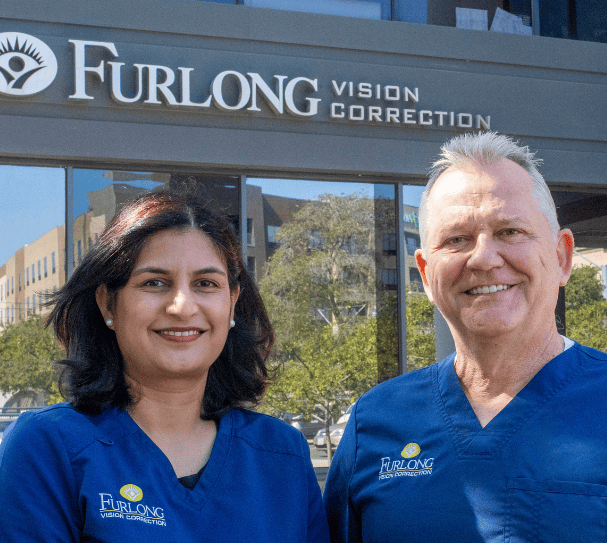
Dr. Mona Sane & Dr. Michael Furlong
At Furlong Vision Correction, we want you to have amazing vision and we are committed to providing the best options and results. You can expect the best at Furlong Vision Correction, locally and family owned for 26 years – the best education on your choices and alternatives, the best patient care, and the best possible outcome.
We employ the most advanced technology for customized treatments. Dr. Furlong and Dr. Sane are experts in their field and provide you many options to customize your vision correction procedure including Advanced Topography-Guided LASIK, PRK, Refractive Lens Exchange and Laser-Assisted Cataract Surgery with Advanced Lenses.
We invite you to visit Furlong Vision Correction and experience our overriding commitment to helping you achieve your own personal best vision. We have a very caring and professional staff at Furlong Vision Correction, locally and family owned for 26 years – collectively we have over 128 years of experience in the Eye Care field!
We are committed to making quality eye care and vision correction accessible. We understand that affordability is a significant concern for some patients, and we are here to help. We accept VSP plans, FSAs and offer flexible financing.
In addition to working with local, non-profit organizations, we continue to provide vision correction services to deserving individuals nominated by community members and the practice’s partnering optometrists, including local, frontline healthcare professionals.
Discover Furlong Vision Correction’s comprehensive suite of vision correction options tailored to you, because we believe everyone should enjoy the benefits of clear vision.
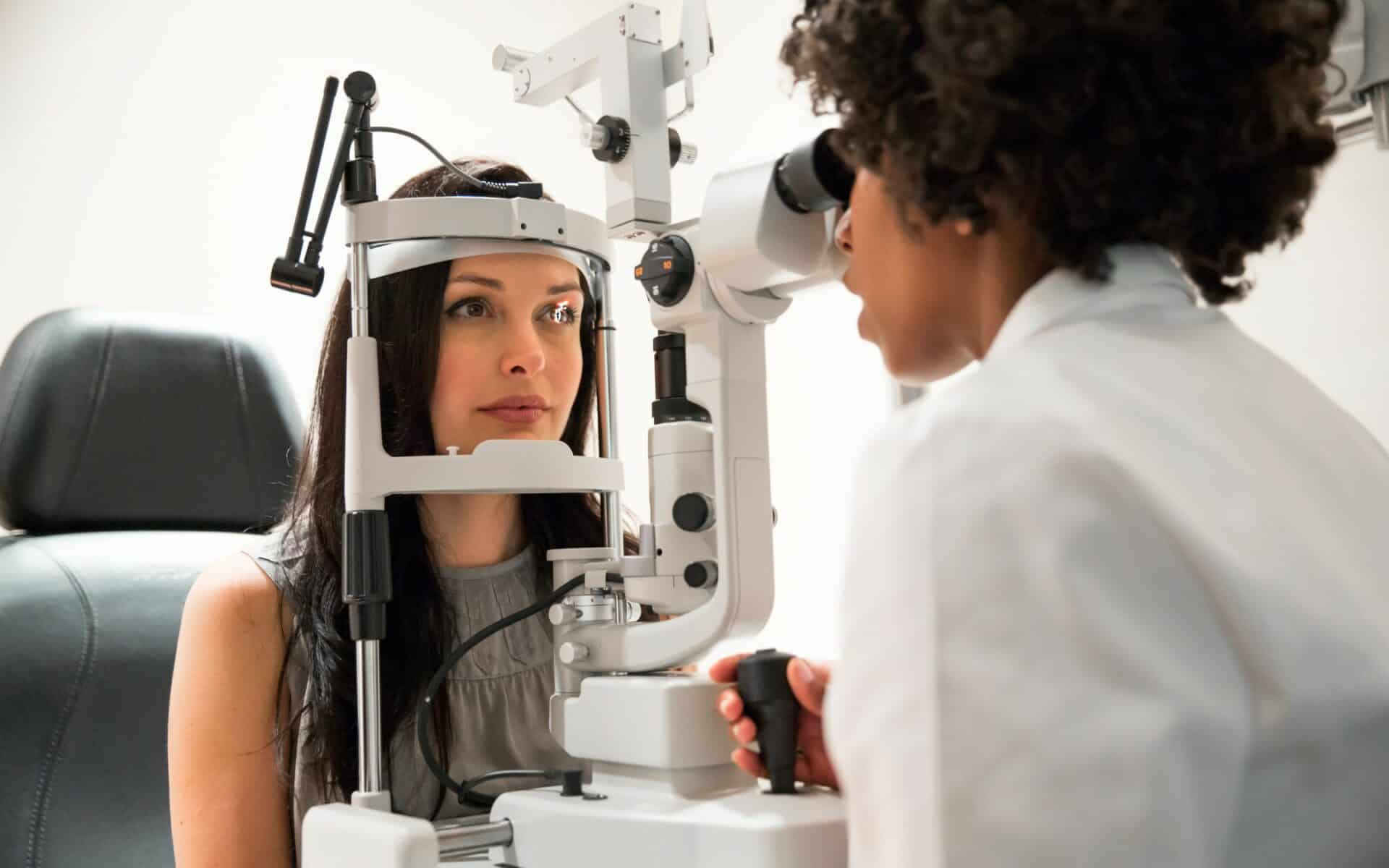
At Furlong Vision Correction, we use Advanced Topography-Guided LASIK – a highly-customized laser vision correction technique that can correct your vision more precisely than ever before.
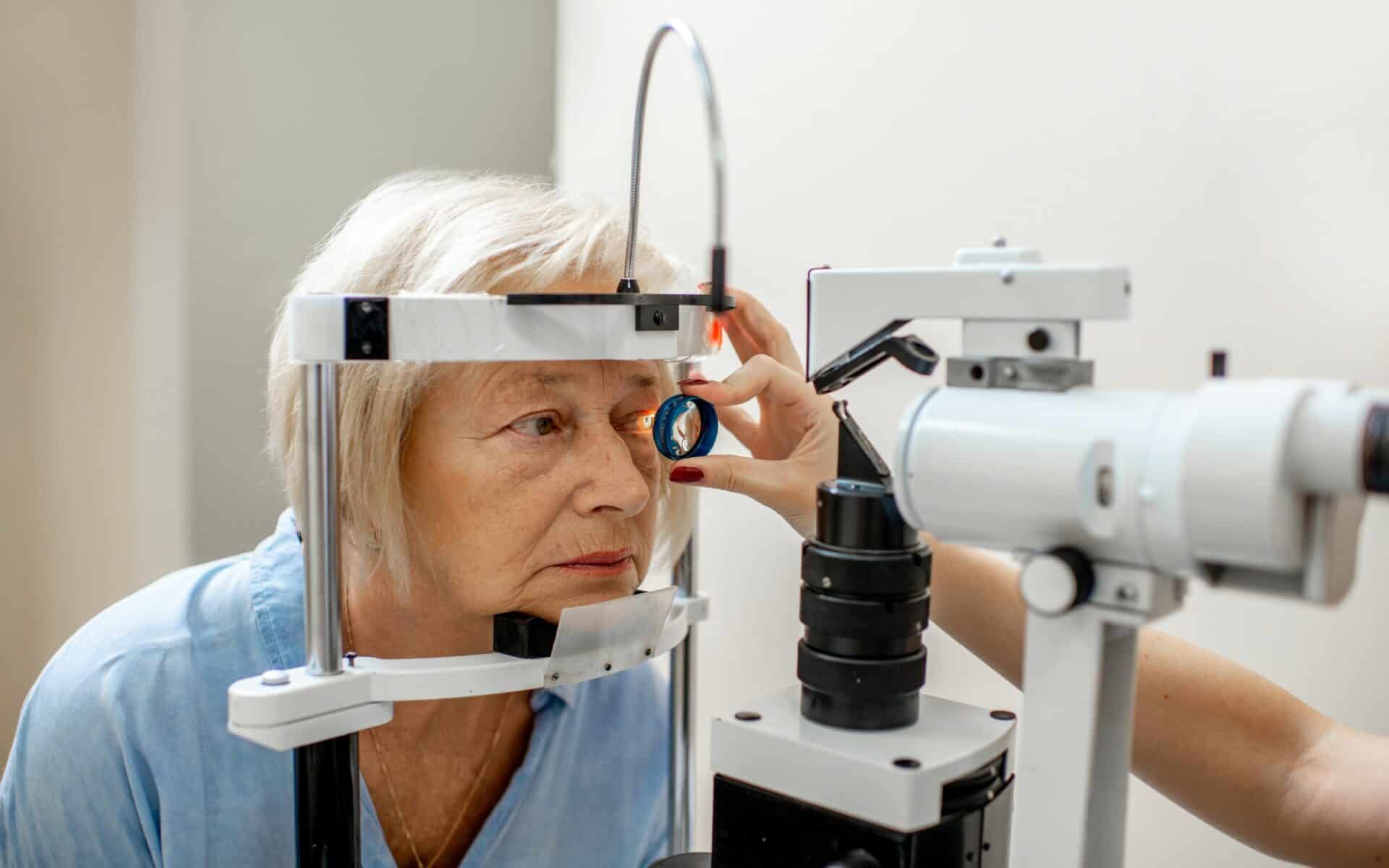
We offer Cataract Surgery and Refractive Lens Exchange with unmatched precision, control, safety and results.
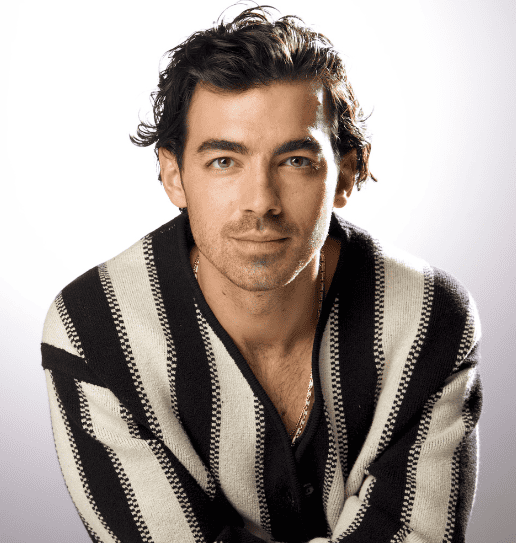
See how STAAR EVO changed the life of Joe Jonas.
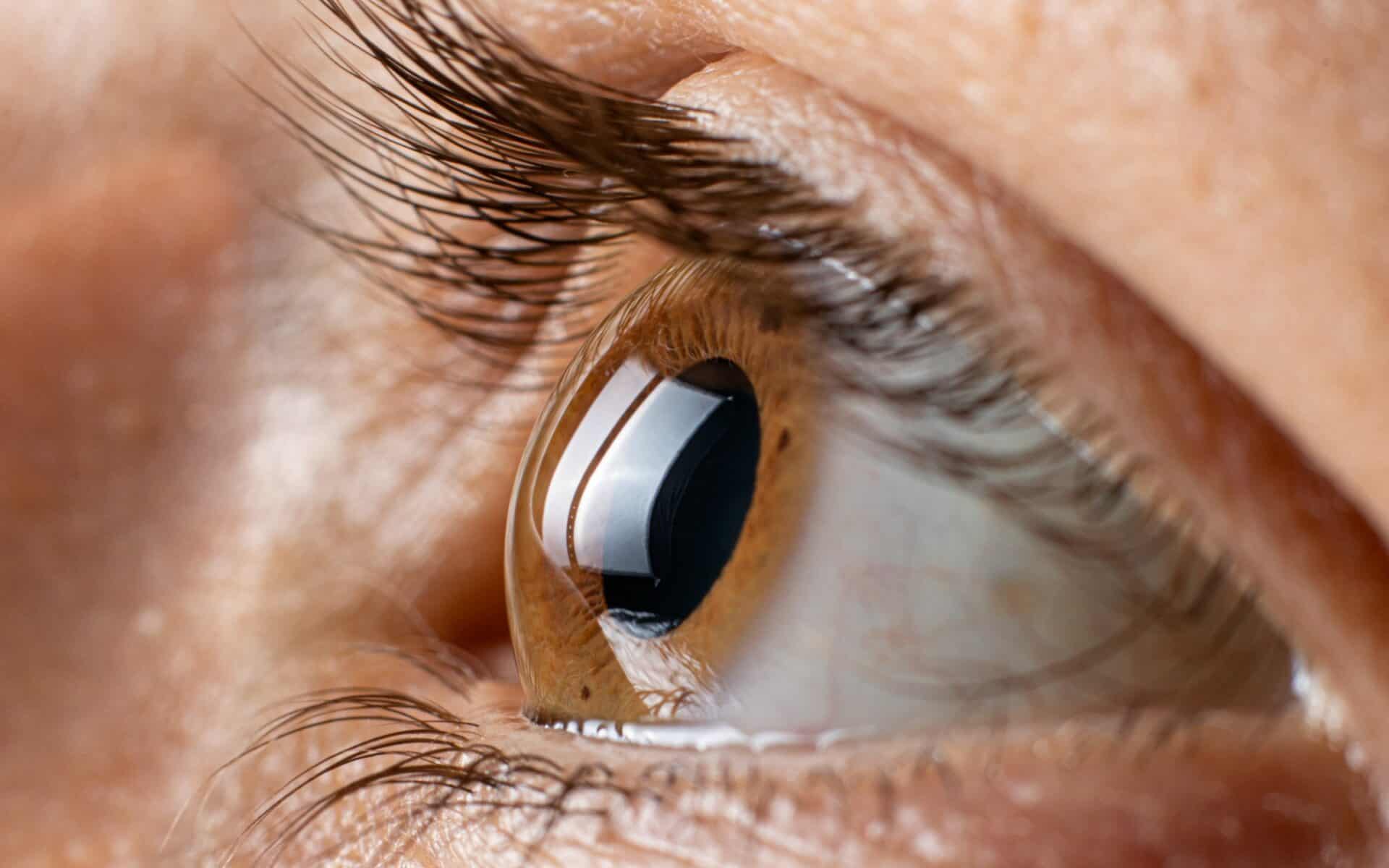
Furlong Vision Correction offers FDA-Approved Corneal Cross-Linking Treatment for Keratoconus Patients.
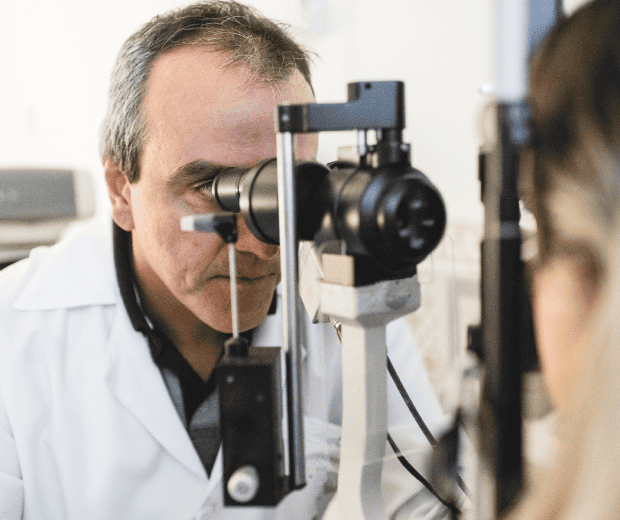
A healthy and clear cornea is essential for good vision. Furlong Vision Correction are Corneal experts, and can help with the diagnosis and treatment of corneal conditions.
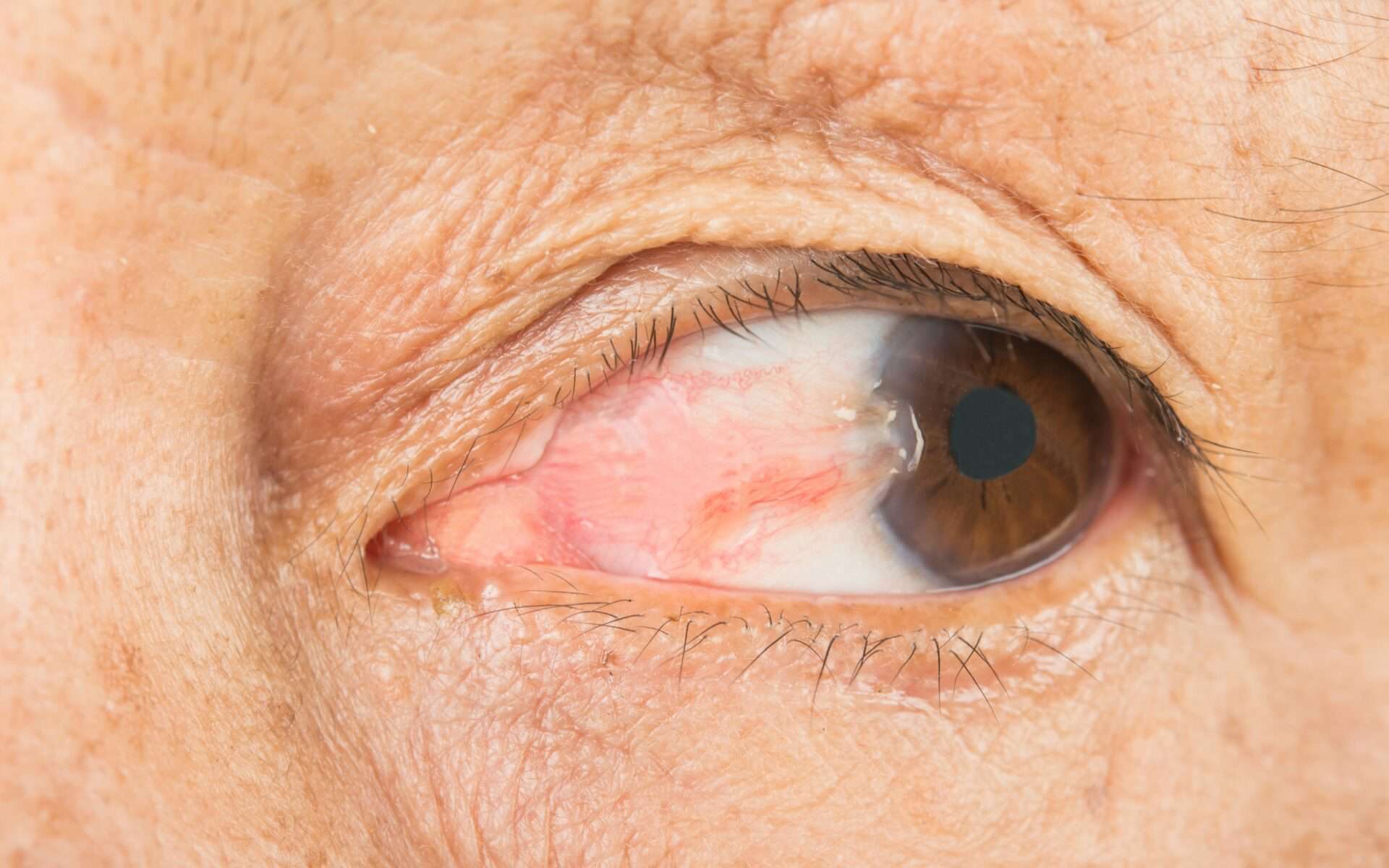
Pterygium, a growth on the eye’s surface, can affect your vision and comfort. Trust Furlong Vision Correction for effective treatment and relief.
Our many satisfied patients are happy to share their experiences with you. LASIK patients are seeing better than ever and enjoying every day activities without the hassle of glasses and contacts. Cataract and Refractive Lens Exchange patients are appreciating their restored vision and the benefits to their active lifestyle.


Monday
8:00 AM - 5:00 PM
Tuesday
8:00 AM - 5:00 PM
Wednesday
8:00 AM - 5:00 PM
Thursday
8:00 AM - 5:00 PM
Friday
8:00 AM - 5:00 PM
Saturday
Closed
Sunday
Closed
We are here to help you decide if vision correction is right for you.

At Furlong Vision Correction, we want you to have amazing vision and we are committed to providing the best options and results.


